Biodiversity
A theme aimed at combating biodiversity loss and promoting investments in companies that have good practices in this area.
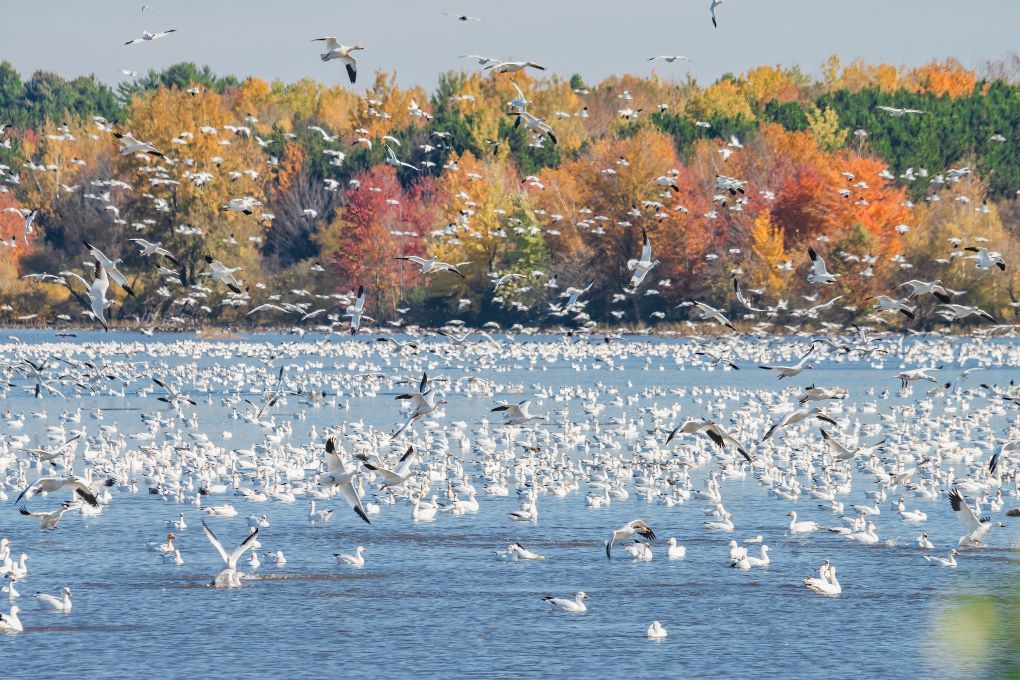
Why invest in biodiversity ?
Biodiversity meets all our primary needs by providing us with oxygen, food, and water. It encompasses the entire living fabric of the planet and its ecosystems. It also contributes to human activities and their development, notably through its resources in raw materials, energy, and minerals... While it is a wealth that allows us to live and develop our economies, the Earth is facing a loss of its biodiversity that has accelerated over the past 50 years: 75% of terrestrial environments are altered, 85% of wetlands are destroyed, and 1 in 8 animal species is threatened with extinction in the near future.
According to a study by the World Economic Forum, half of the global GDP depends on nature and its ecosystem services. The pressures exerted on biodiversity and identified by the IPBES are multiple: overexploitation of resources, climate change, pollution, and invasive exotic species, etc. Furthermore, inaction on biodiversity currently costs 500 billion dollars per year.
International agreements and measures in favor of biodiversity are developing, involving economic and financial actors around formal objectives in line with what exists to combat global warming. Among them, the Kunming-Montreal Agreement is particularly important as it has set binding targets and provided a roadmap of 23 goals to nearly 200 signatory countries.
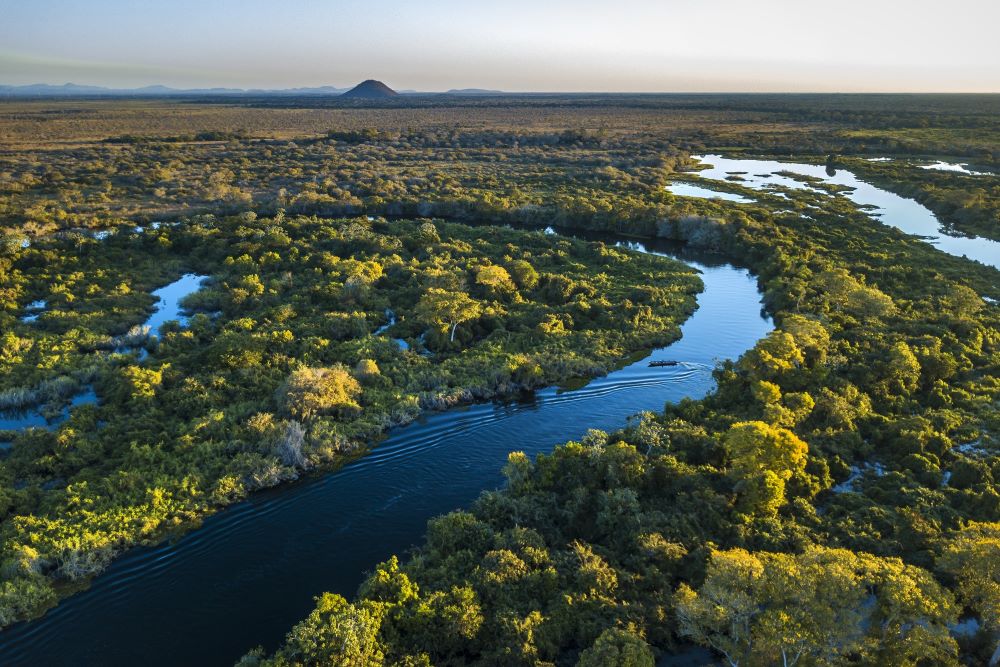
Our approach
The investment strategy is based on the need to combat biodiversity loss and to promote investments in companies that have good practices in this area. This strategy relies on the IPBES and SBTN methodological frameworks and aims to address the Kunming-Montreal objectives that can be targeted through financial investments. For this strategy, the CPRAM teams have benefited from the scientific support of the National Museum of Natural History.
It is part of a defined framework that allows it to address transition challenges:
- By covering all sectors, particularly those with a significant impact on biodiversity and climate.
- By excluding companies that harm biodiversity (for example, pesticides, palm oil, deforestation, etc.), are subject to major environmental controversies, or have poor ESG practices.
- By selecting companies among the most committed in their sector to reducing their impact on water, soil, and climate, and therefore on biodiversity.
The main risks associated with this strategy are the risk of capital loss, counterparty risk, market and equity risk (including the risk related to small-cap stocks and emerging markets), liquidity risk, performance risk compared to an equity market benchmark, and risks related to responsible investing. It is advisable to refer to the fund's legal documentation for detailed information on its risk profile.
Biodiversity white paper
Discover our biodiversity white paper
Why is biodiversity so critical for the economy? How are regulators, scientists and investors responding to these challenges? What tools exist to measure complex biodiversity-related impacts and dependencies? What investment methodology is appropriate? And how can financial performance be reconciled with environmental impact? This white paper presents CPRAM’s approach to answering these crucial questions.